
Tuckatalk Baby's first food
When to start solid foods
Start introducing solid foods when your baby is around 6 months of age. Continue to breastfeed (chest feed) or formula feed while introducing solids. Breast milk (chest milk) or infant formula is an important source of nutrition for babies up to 12 months old.
Signs your baby is ready for solid foods
- They can hold their head and neck up by themselves.
- They can sit upright with support.
- They show interest when others are eating.
- They reach for food.
- They open their mouth when food is offered.
If your baby’s tongue pushes food out it may be a sign they are not ready. Try again in a week.
Setting healthy habits for life
Starting solid food is a big step in your baby’s growth and development. Positive experiences at mealtimes will help your baby develop positive food habits and feel good about eating.
Division of responsibility in feeding
The ‘Division of Responsibility’ is a helpful guide to support pleasant mealtimes and helps your baby build a positive relationship with food. See below for more information.
As a parent or carer, your role is to decide:
- WHAT food is offered
- WHEN food is offered
- WHERE food is offered
Your child decides:
- WHETHER to eat food that is offered.
- HOW MUCH to eat.
Responsive feeding
The ‘Responsive Feeding’ approach helps create a positive eating environment, builds a trusting bond between you and your baby and supports your baby in developing a healthy relationship with food. See below for more information. Responsive Feeding is:
- Creating a daily routine for mealtimes. Choosing a time of day when you and your baby are relaxed.
- Allowing your baby to guide the feeds. Let them decide when they have had enough to eat. This can be your baby:
- turning their head away.
- pushing the spoon away.
- crying.
- Sitting down and eating with your baby. You are your baby’s best role model.
- Limiting distractions during mealtimes. Turning off screen activities such as TV, phones, and computers.
- Being patient with your baby. They are learning to eat. Try not to pressure or force your baby to eat.
- Providing loving and positive words. For example. “I love how you are trying new foods”, “I love seeing you enjoy your food”.
How to offer first foods
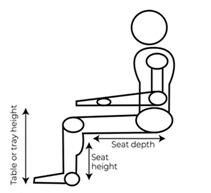
- Sit your baby in a safe seated position such as in a feeding chair, see diagram below.
- Offer food once a day. Start with 1 teaspoon of pureed food and slowly increase according to your baby’s hunger.
- Do not add solids to a bottle.
- Progress to thicker, lumpier textures after 2-4 weeks.
- Offer different kinds of foods and offer them regularly (at least 2 times per week).
How much food to offer
The amount your baby eats can change every day. Your baby may eat 1 teaspoon or up to 3–4 teaspoons or more at mealtimes.
Remember the ‘Division of Responsibility in Feeding’ - let your baby decide how much to eat.
What foods to offer
You can offer foods in any order. Make sure iron-rich foods like iron-enriched infant cereal, meat, cooked eggs, or legumes are included.
Five food group ideas to offer when your baby is around 6 months of age
- Vegetables: Pureed cooked sweet potato, pureed cooked pumpkin, mashed avocado, mashed cooked broccoli, pureed spinach.
- Fruit: Pureed papaya, mashed banana, pureed cooked apple, mashed mango, stewed fruit e.g. apple, pear.
- Breads/cereals: Iron enriched infant cereal, porridge, semolina, pureed quinoa, polenta, toast fingers, WeetbixTM.
- Meat and alternatives: Pureed lamb, pureed chicken, mashed lentils, cooked mashed eggs, pureed tofu, pureed kangaroo, nut butter.
- Milk and dairy: Pureed paneer, full-cream plain yoghurt, cheese, calcium enriched soy drink, calcium enriched plant based yoghurt, custard, milk on cereals,
See the Australian Guide to Healthy Eating at eatforhealth.gov.au for more information on the five food groups.
Drinks for your baby
Continue to offer your baby breast milk or infant formula until 12 months of age. You can keep breastfeeding after this time.
- Offer tap water that has been boiled and cooled from 6 months until your baby is 12 months of age.
- Use a cup to offer water; it helps develop eating, drinking and speaking skills.
- Avoid giving your baby fruit juice and sugary drinks.
- Cow’s milk or other milks as a main drink are not recommended before 12 months of age.
Baby explorers
Show your baby how to hold a spoon, pick up food with their hands and feed themselves. It’s okay if it gets messy – let your baby practice their eating skills.
Sometimes, your baby might spit out, cough or gag on food. Stay calm, reassure your baby, and offer more food when they are ready.
It may take several times before your baby happily accepts a new food so keep offering.
Allergies
All babies should be offered common allergy causing foods even those who might have a higher chance of allergies. Introducing these foods before 12 months of age reduces the risk of developing an allergy:
- Peanut butter, nut butters
- Soy (e.g. tofu)
- Cooked egg
- Fish and seafood
- Dairy products
- Wheat products
Look for any reaction to new foods. If your baby does not have a reaction to a food you can include it regularly in their diet (twice per week).
If your baby does have a reaction (e.g. rash, swelling of the lips, difficulty breathing) seek medical advice immediately and go to the nearest Emergency Department.
If you need more information about allergies, visit the ASCIA website: www.allergy.org.au
To prevent botulism, a serious illness, do not feed honey to infants under 12 months of age.
Texture Progression
Food Texture Timeline
- Around 6 months: Start with smooth, soft, pureed or finely mashed textures.

- Around 7 – 9 months: Start feeding mashed, grated, minced and finely chopped foods. Foods that your baby can hold and chew.

- Around 10 – 12 months: Start to give soft chopped foods and finger foods.

Sample Meal plans
These are a guide only. Babies may have different amounts of breast milk, formula feeds, and family food choices each day.
7 – 9 months
- Early morning - Breastmilk or formula feed.
- Breakfast- Infant rice cereal (iron-enriched) with mashed mango. Water in a cup.
- Mid-morning - Breastmilk or formula feed.
- Lunch- Minced lamb with mashed carrot and potato. Water in a cup.
- Mid-afternoon - Breast milk or formula feed.
- Dinner - Family meal - stir fry, curry, or pasta, cooked soft and chopped into small pieces. Water in a cup.
- Evening - Breast milk or formula feed.
10 – 12 months
- Early morning- Breastmilk or formula feed.
- Breakfast- Wholegrain toast cut into strips with avocado and tomato. Water in a cup.
- Mid-morning- Full cream yoghurt and diced papaya.
- Lunch- Lentil and vegetable stew. Water in a cup.
- Mid-afternoon- Cheese and crackers.
- Dinner- Family meal cut into small, soft pieces. Water in a cup.
- Evening- Breast milk or formula feed.
This factsheet is a summary of information provided in the ‘From milk to more’ booklet located on the website: https://www.canberrahealthservices.act.gov.au/services-and-clinics/services/women-youth-and-children-nutrition
Scan this QR code:

Where can I get more information?
- Talk to your Maternal and Child Health nurse or General Practitioner.
- Make an appointment with a Canberra Health Services Community Dietitian by phoning (02) 5124 9977.
- Winnunga Nimmityjah Aboriginal Health and Community Services: https://winnunga.org.au/
- See Ellyn Satter’s Division of Responsibility in Feeding: https://www.ellynsatterinstitute.org/
- See ASCIA for allergy information https://www.allergy.org.au/
- See ‘Nip Allergies in the Bub’ https://preventallergies.org.au/
- See Queensland Health responsive feeding guide on YouTube: https://www.youtube.com/playlist?list=PLf_OQr1DI9A8fSgNQSmgzhXZV2_Ci-drv