
Health Information Sheet | Canberra Health Services
Preventing Pressure Injuries
What is a pressure injury?
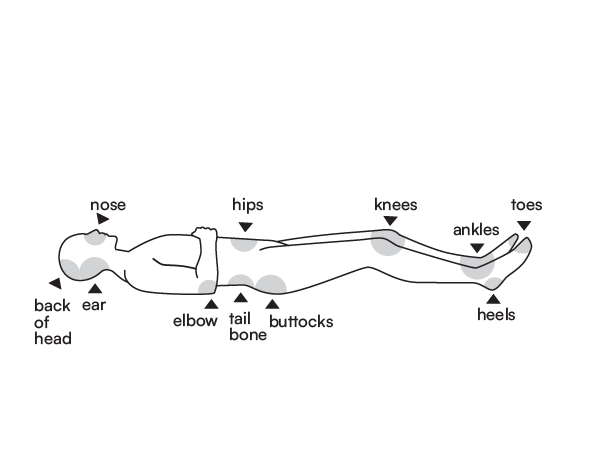
A pressure injury is an area of skin that is red, broken or blistered that can develop on a bony part of the body because of pressure, friction and/or moisture.
Pressure injuries may develop on bony parts of the body such as heels, hips, the bottom and/or elbows.
They may also develop under medical devices such as splints, braces, catheters and drains.
Pressure injuries can be small grazes or deeper wounds that may need to be covered with a bandage or dressing.
Am I at risk of pressure injuries?
You may be at risk of pressure injuries if you have one or more of the following.
You:
- are unwell
- are confined to a bed or chair
- are elderly or very young
- are unable to walk
- are having an operation or long procedure
- have loss of feeling or poor circulation, especially in your feet and heels
- have problems with your nutrition
- have moist skin from sweating a lot or from problems with your bladder or bowel.
How do I reduce my risk of pressure injuries?
Stay active
- Pressure injuries can happen quickly if you lie or sit in the same position for too long.
- If you are confined to bed or chair and unable to move, staff or your carer can help you change your position.
- You can help by turning from side to side in your bed or going for short walks.
- Avoid sliding or dragging yourself across any surface such as the bed as this can cause rubbing and skin damage.
- Exercise as much as you comfortably can.
Skin care
- Check your skin daily.
- Keep your skin clean and dry.
- You may need to clean your skin often if you sweat a lot or have problems with your bladder or bowel.
- Use a skin friendly cleanser and a moisturiser.
- Tell us about any discomfort.
Nutrition
- Eat a balanced diet that includes fruit, vegetables, meat, chicken, fish, rice and grains.
- You may need to take a vitamin and/or start having nutritional drinks.
- Have plenty to drink unless we tell you not to.
- Stop smoking (if you would like help to quit smoking you can phone the Quitline on 13 78 48).
In your home
- You may need follow up care
from a community nurse or
health professional. - You may need a special mattress, bed and cushion.
Do you want to know more?
Ask your nurse or health professional.
Contact:
Canberra Hospital
Phone: (02) 5124 0000
North Canberra Hospital
Phone: (02) 5103 6111