
Fissure Sealants
A fissure is a natural groove on the biting/chewing surface of a back tooth. These fissures can be deep and narrow. This makes it hard for toothbrush bristles to get in and clean it. The tooth may also be hard to reach and clean. Because of this, tooth decay can start in these fissures.
A fissure sealant is a safe way of helping protect the tooth from decay. The fissure sealant covers the fissures to help stop food and bacteria getting stuck. The sealant is usually placed on the biting surface of adult back teeth. Sealants can also be placed on other adult teeth or baby teeth. Your dental professional will decide which teeth need to be sealed.
How are fissure sealants applied?
Fissure sealants are simple to apply. No drilling is needed. It usually takes about 5 minutes per tooth and is painless.
- You may have an x-ray taken to make sure your teeth don’t have any decay.
- The tooth is cleaned with a brush.
- A cleaning solution is put on the tooth and then washed off.
- The tooth will then be kept dry so the sealant can stick to the tooth properly.
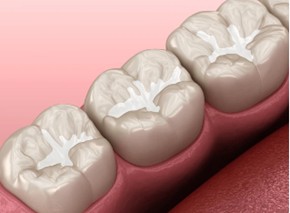
- The liquid sealant is applied to the tooth with a small brush or applicator. The liquid sealant flows into the fissures of the tooth and is set hard with a special light. This leaves a thin layer of white (or sometimes clear) plastic in the fissure.
- If the tooth cannot be kept dry or is difficult to reach, a different material may be used. It may be white or pink.
- The sealant contains fluoride, which gives you extra protection against tooth decay.
What will the fissure sealants look like?
How do I look after my fissure sealants?
- Even though the sealed tooth surface will be easier to keep clean, it is still very important to brush twice each day with a toothpaste that contains fluoride.
- Tooth decay also happens between teeth. Regular cleaning between the teeth, even for baby teeth, is recommended.
- Your fissure sealants will be checked each time you have a dental check-up. The sealants are not permanent. They may become worn or come loose. If this happens, we may recommend you have a top-up or replacement.
Tips for healthy teeth:
- To have good health, you must have a healthy mouth.
- Drink tap water to help keep your teeth healthy.
- Limit sugary foods and drinks to special occasions. This includes food and drinks with added sugar, honey, syrup, and fruit juice.
- Do not put babies and children to bed with a bottle. Bottle feeding through the night is linked to tooth decay.
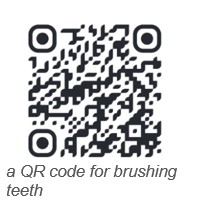
- Brush your teeth every morning and night using a toothpaste that has fluoride in it. Use toothpaste that is suitable for your age. For more information and a guide on how to brush your teeth, scan the QR code or visit https://www.teeth.org.au/brushing-teeth.
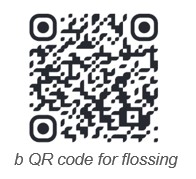
- Clean between your teeth every day. For more information and a guide on how to clean between your teeth, scan the QR code or visit https://www.teeth.org.au/flossing.
- Ask for help if you have trouble cleaning your teeth. Help others who might need help, such as children under eight years.
- The first dental check should be when your baby turns 12 months old. You can book sooner if you have any concerns.
- Have regular dental check-ups. Talk to your dental professional about how often to have a check-up.
- Avoid smoking, vaping, tobacco products and limit drinking alcohol.
If you have any questions, please talk with your dental professional – Central Health Intake: (02) 5124 9977