
Enamel Hypomineralisation
Enamel hypomineralisation (“hypomin”) affects your tooth enamel (the outer layer of your tooth). It can affect baby teeth and adult teeth. It may affect a small part of your tooth, or your whole tooth. Your teeth might look extra-white, yellow or brown and have a rough or pitted surface. Enamel hypomineralisation can happen on any tooth and can affect more than one of your teeth. Teeth affected by hypomineralisation can be sensitive. You might be more likely to have tooth decay in these teeth or for them to break.
What causes enamel hypomineralisation?
Often it can be hard to work out why someone has hypomineralisation. It can happen because enamel hasn’t formed properly. This might be because you:
- Had infections, illness or dietary deficiencies before you were born or while you were a baby.
- Were born early or there were problems with your birth.
- Had a disease when you were a child, like an ear infection, high fever or viral infection.
- Had chronic (ongoing) illnesses during your first few years of life.
- Had certain medicines, either before you were born or as a child.
- Had an injury to your teeth and jaws.
- Have a hereditary disorder (something passed to you from your parents).
How is hypomineralisation treated?
A variety of treatments may be recommended depending on the extent of the hypomineralisation. This includes:
- Teeth that are mildly affected may only need preventive treatments like thorough cleaning, following good dietary habits, and the application of products such as fluoride.
- Teeth that are more severely affected may need a filling, or in some cases, the tooth may need to be removed.
It is important that these teeth are regularly checked by a dental professional who can let you know what care and treatments you will need for these teeth.
How do I care for my tooth with hypomineralisation?
- Brush twice a day – in the morning and before bed. This will make you less likely to have decay in your affected teeth. Sometimes affected teeth hurt when brushing them. This can make you avoid brushing your teeth. If this happens to you or your child, please talk with your dental professional about tips to make brushing easier.
- Eat a wide variety of healthy foods. Limit sugary foods and drinks to special occasions.
- See your dental professional regularly for a check-up. Your dental professional will tell you how often you should see them.
For more information, visit www.thed3group.org. This website explains different enamel problems in a way that is easy for children to understand.
Tips for healthy teeth:
- To have good health, you must have a healthy mouth.
- Drink tap water to help keep your teeth healthy.
- Limit sugary foods and drinks to special occasions. This includes food and drinks with added sugar, honey, syrup, and fruit juice.
- Do not put babies and children to bed with a bottle. Bottle feeding through the night is linked to tooth decay.
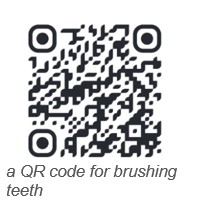
- Brush your teeth every morning and night using a toothpaste that has fluoride in it. Use toothpaste that is suitable for your age. For more information and a guide on how to brush your teeth, scan the QR code or visit https://www.teeth.org.au/brushing-teeth.
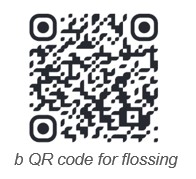
- Clean between your teeth every day. For more information and a guide on how to clean between your teeth, scan the QR code or visit https://www.teeth.org.au/flossing.
- Ask for help if you have trouble cleaning your teeth. Help others who might need help, such as children under eight years.
- The first dental check should be when your baby turns 12 months old. You can book sooner if you have any concerns.
- Have regular dental check-ups. Talk to your dental professional about how often to have a check-up. This is different for everyone. It depends on how well you look after your teeth, if you have had past or current problems with your teeth and gums, and any health issues you have.
- Avoid smoking, vaping, tobacco products (like chewing tobacco) and limit drinking alcohol. They can hurt the health of your mouth. Talk to your dental professional for support quitting.
If you have any questions, please talk with your dental professional – Central Health Intake: 02 5124 9977.