breadcrumbs--blue-border bob

Asthma is where the small breathing tubes (airways) in the lungs become narrow.

Signs of asthma
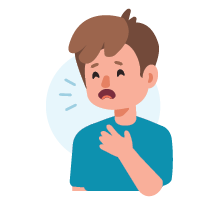
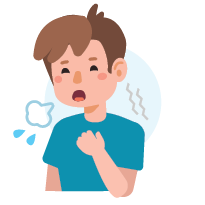
An illustration depicting a character with a distressed expression, clutching their chest and gasping for air.
Short of breath
An illustration showing a character with a worried expression, holding their chest with both hands. The chest area is highlighted with a red or pulsing effect to indicate tightness or discomfort.
Tight chest
An illustration of a character with a strained expression, clutching their chest and exhaling with visible, animated wheezing sounds represented by curved lines or breaths.
Wheeze
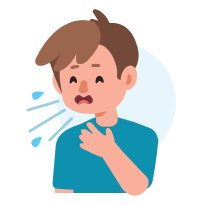
An illustration of a character with a pained expression. Cough clouds and lines emanate from their mouth to illustrate the act of coughing.
Cough
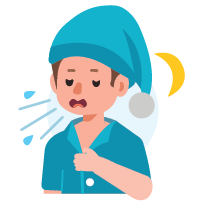
Illustrated character is shown coughing in the morning, with visible cough clouds and lines coming from their mouth as they sit or stand with a tired appearance.
Waking at night, coughing at night, coughing in the morning

Triggers

An illustration of a cartoonish cold or flu germ.
Colds and flu
An illustration of smoke drifting and swirling through the air.
Smoke
An illustration of a range of weather clouds. Various shapes of clouds represent different weather conditions such as sunny, overcast, or stormy.
Weather
An illustration of someone running to depict exercise.
Exercise
An illustration of pollen and other allergens.
Allergen

How Asthma medications work

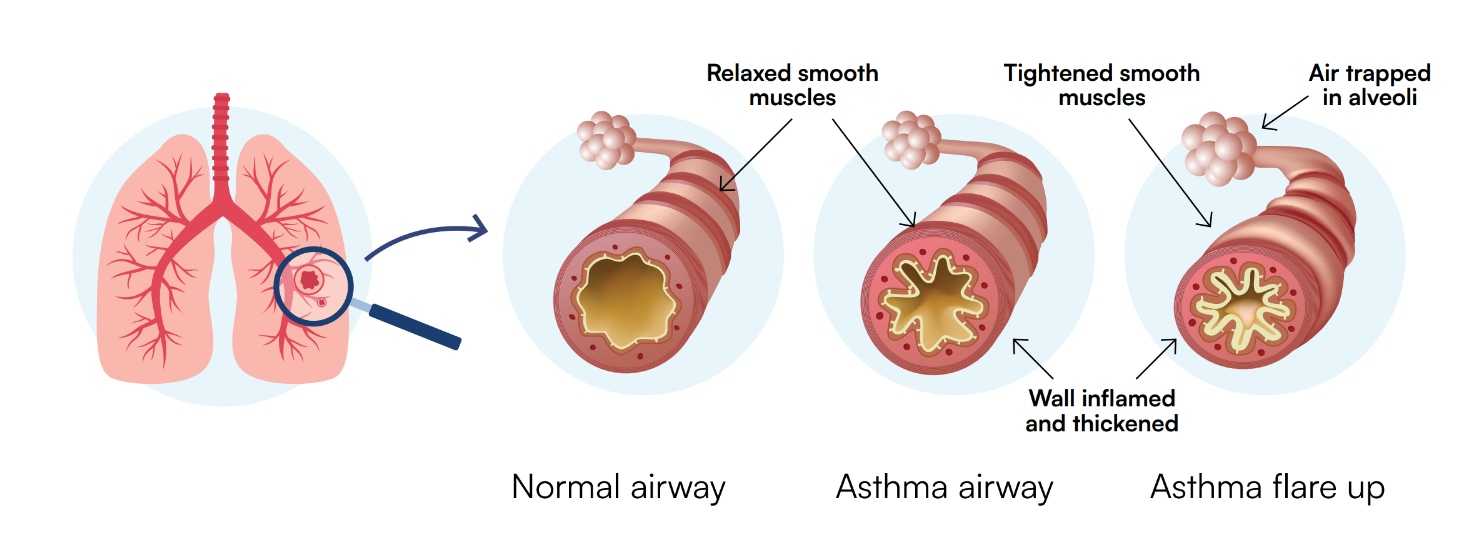
Diagram showing lungs and three airway stages: a normal airway with open space and relaxed muscles, an asthma airway with inflamed and thickened walls and tightened muscles, and an asthma flare-up with severely narrowed airway and mucus or air trapped in the alveoli.

Reliever

  • Taken with asthma signs
  • Works quickly to relax tight airways

Preventer

  • Taken every day to reduce swelling and mucus

Asthma/Wheeze First Aid

  1. Sit child the upright.
  2. Shake blue/grey reliever. Give 1 puff into spacer. Take 4 breaths from spacer. Shake puffer. Repeat until 4 puffs given.
  3. If not breathing normally, call Ambulance on 000.
  4. Keep giving 4 puffs every 4 minutes until help arrives or breathing returns to normal.

Kids Health

QR code to navigate asthma videos

For more information scan the QR code.