
Breastfeeding and your baby - Positioning and attachment
Attachment and feeding your baby can occur using different positions. The best attachment occurs when mothers' and baby’s bodies are well aligned, supported, comfortable and relaxed. This will help prevent breast and nipple damage and ensure your baby feeds well. Babies and breasts come in all shapes and sizes. It can take time and practice to get it right. Try experimenting with different positions until you both feel comfortable. Sometimes, professional help may be needed.
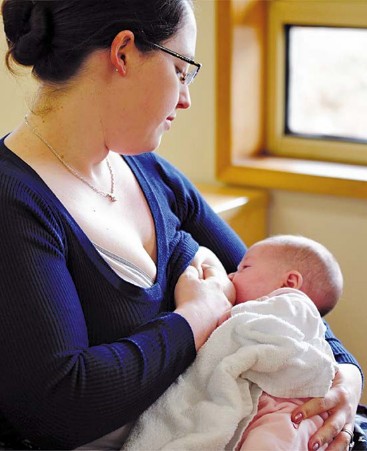
How do babies breastfeed?
Babies can learn to attach by themselves and be fed in many different positions, i.e. cradle hold, cross-cradle hold, or football hold (see link below to Raising Children’s Network).
Start breastfeeding in a comfortable position to help you relax. When you feed, try to relax your shoulders, back and arms, reclining a little into the back of the chair or couch.
Hold the baby close to you ensuring the baby's shoulders and back are supported. Turn the baby towards you with their chest on your chest (cradle hold). Baby may lick and mouth the nipple before attaching. Ensure baby’s nose is level with the nipple and baby’s chin is touching the breast.
Once the baby is attached, you will feel a drawing sensation with some rapid sucking. This can be uncomfortable for a few days but should resolve when the baby is deeply attached – a tugging feeling is normal, strong pain is not. As the milk begins to flow, sucks become deeper and rhythmic. If you experience nipple or breast pain after the initial “drawing in” sucks, you can prevent damage to your nipples by detaching and reattaching the baby until sucking feels more comfortable.
Below is a link to a video showing ‘baby-led attachment.
Baby Feeding Cues:
Your baby will attach more effectively to your breast when they are ready to feed. Early signs your baby wants to feed include:
- opening and closing their mouth
- turning towards your breast when their face is touched
- moving their hand to mouth or sucking on hands
- frequently fidgeting or squirming
- crying is often a late sign of your baby wanting to feed and may make it difficult for your baby to attach to the breast well.
How do I know if my baby is getting enough milk?
Your baby will appear content and satisfied after most feeds.
- your baby should have at least 6–8 soaked cloth nappies or 4-6 heavy disposable nappies in 24 hours
- your baby should have 3 or more runny, yellow bowel motions each day in the early weeks
- your baby should be gaining weight regularly. Your health professional can advise you of what weight gains are expected for your baby’s age.
Here is one way to attach a baby to the breast.

STEP 1: Hold your baby close to you, lining up the nipple with the baby's nose

Step 2: Tilting your nipple slightly towards the baby's nose, the baby should open wide. Bring your baby forward gently and allow the baby to take a large amount of the lower areola.
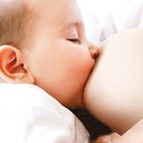
Step 3: When a baby attaches well there should be no discomfort for the mother.
If attachment is uncomfortable after the first few days or you are experiencing nipple pain or damage you may need to express your milk and feed the baby an alternate way to give your nipples a chance to heal. It will also help to seek support from your midwife, a lactation consultant or Maternal Child and Family Health.
How can I find more information?
Phone
- Maternal Child and Family Health - Early Parenting Support Line (02) 5124 1775
- Central Health Intake (CHI) on (02) 5124 9977
- Australian Breastfeeding association – 1800 686 268
- Pregnancy Birth and Baby – 1800 882 436
Websites
- www.breastfeeding.asn.au
- Raising Children’s Network – Positioning and Attachment https://raisingchildren.net.au/newborns/breastfeeding-bottle-feeding/how-to-breastfeed/breastfeeding-positions-pictures
- www.pregnancybirthbaby.org.au
- Breastfeeding Support (MACH)
Visit
- Maternal Child and Family Health Breastfeeding Support Clinic
- Your GP