
Health Information Sheet | Canberra Health Services
Breastfeeding and your baby- Cracked and sore nipples
Breastfeeding should not be painful. If your nipples are sore, or you notice they are squashed, pale, ridged or flattened after a feed, the most likely cause is that your baby has not latched correctly to your breast. Sometimes the skin on the nipple becomes red and inflamed and it can break. This is known as a grazed or cracked nipple.
What causes cracked or sore nipples?
- incorrect latch
- friction from a breast pump
- infant with a tongue tie or another issue with the anatomy of the baby’s mouth
- infection, dermatitis, or thrush on the nipple
- vasospasm (see fact sheets Vasospasm on our website).
- mastitis (see fact sheets Mastitis on our website).
- white spots
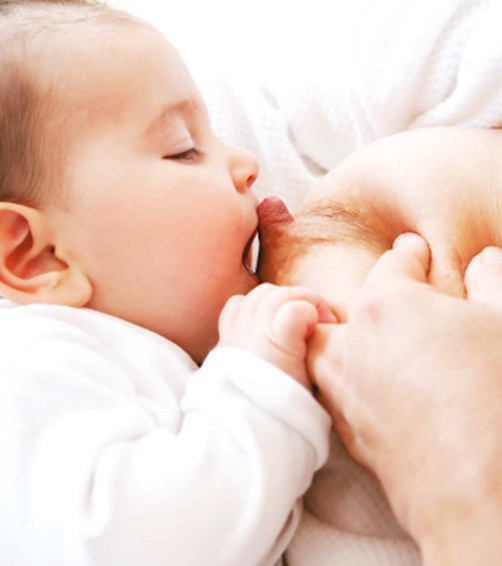
How do I prevent cracked or sore nipples?
- correct positioning and latch of your baby to your nipple (see Positioning and Attachment fact sheet). Some initial discomfort may be expected when your baby is learning to latch but feeding should be comfortable when baby is deeply latched
- feed your baby when they are ready, looking for early feeding cues such as opening and closing their mouth, sucking on hands, crying etc
- make sure suckling remains comfortable during the whole feed. Suckling should not be painful
- to take your baby off the breast, release the suction with your clean finger by inserting it at the corner of their mouth. Put your finger over the nipple as they come off
- leave your bra off and allow your nipples to air after feeds.
- avoid contact with nipple-damaging and drying agents (soaps, shampoos, and detergent residue in clothes)
- if you are using nipple pads, keep them dry and change them often
- use the correct size flange and suction settings if using a breast pump.
What should I do if I think my nipple has cracked?
- many of the tips to prevent your nipples from cracking are also useful to help heal a sore or cracked nipple/s
- ask a professional such as a Maternal, Child and Family Health nurse or midwife to observe you feeding your baby and give you advice
- if it is too painful to feed you may need to express your breast milk and give it to your baby with a syringe, cup or bottle and seek professional advice
- prevent the risk of infection through broken skin by ensuring you wash your hands before touching your nipples
- use a nipple shield when feeding your baby
- apply a small amount of purified lanolin to your nipple/s after each feed. This is available without prescription at your local pharmacy
- express a small amount of breast milk and apply it to your nipple/s following a feed
- use breast pads or shells for comfort and healing to protect tender nipples from clothing
- if healing is slow, you feel you may have an infection in your nipple or feeding continues to be painful, please seek professional advice from a Maternal, Child and Family Health nurse or midwife or your GP.
How do I treat nipple pain?
- start the feed on the least sore side
- try making small adjustments to positioning to see if latch comfort improves or try positioning your baby in an alternative position to feed. A Maternal, Child, and Family Health Nurse can help
- apply a warm water compress over your nipple after a feed until the pain goes away, then apply your expressed breast milk or a small amount of purified lanolin to the nipple
- take oral pain medicine such as paracetamol or ibuprofen following the directions on the packet
- check regularly for lumpy areas and redness that may indicate the development of mastitis. If you think you have mastitis you should seek medical advice from Maternal, Child and Family Health, the Walk-in Centre, or your GP.
What is a white spot?
Occasionally you may notice a white spot on your sore nipple. This may be milk under a very fine layer of skin that has grown over a nipple pore.
What should I do if I notice a white spot?
- apply moist heat to the affected area prior to a feed or before you pump
- a cotton ball/gauze soaked with olive oil can be used on the white spot to soften the skin between feeds
- a cold compress after feeds will help with any inflammation in the nipple
- if the white spot is still there seeking professional advice from Maternal, Child and Family Health, or your GP.
How can I find more information?
Phone
- Maternal Child and Family Health - Early Parenting Support Line (02) 5124 1775
- Central Health Intake (CHI) on (02) 5124 9977
Websites
- Australian Breastfeeding Association - 1800 686 268 www.breastfeeding.asn.au
- Pregnancy Birth and Baby - 1800 882 436 www.pregnancybirthbaby.org.au
- Breastfeeding Support (MACH)
Visit
- Maternal Child and Family Health Breastfeeding Support Clinic
- Your GP