
More than 5,800 consumers are contributing to CHS' life-changing clinical trials
26 May 2026
If it weren’t for the more than 5,800 ACT consumers and patients who offer their time and bodies to clinical research, progressing medicine would be a lot slower and research a lot poorer.
We’re celebrating International Clinical Trials Day in May, with Canberra Health Services (CHS) boasting more than 250 clinical trials. CHS wants to acknowledge the tremendous contribution of our consumers, patients and staff.
Professor Ian Chubb, Independent Chair of the Inter-Governmental Policy Reform Group for Health and Human Research contributed to the development of an experimental drug after he was diagnosed with stage 4 metastatic kidney cancer.
“My prognosis was 3-5 months - with no treatment. The clinician treating me carefully explained the available chemotherapy and how it would be effectively balanced with its impact on my quality of life - or a clinical trial that could lead to a new, possibly more effective, treatment. I opted for the trial and my response was both rapid and good. There was an early reduction in the size of my (four) lesions. The trial lasted two years, and nearly 10 years later I’m still here.”
Professor Ian Chubb - Independent Chair, Inter-Governmental Policy Reform Group for Health and Human Research
At CHS we have hundreds of clinicians working on these trials covering more than 30 areas such as:
- Cancer
- Haematology
- Radiation Oncology
- Cardiology
- Trauma and Orthopaedics
- Renal Medicine
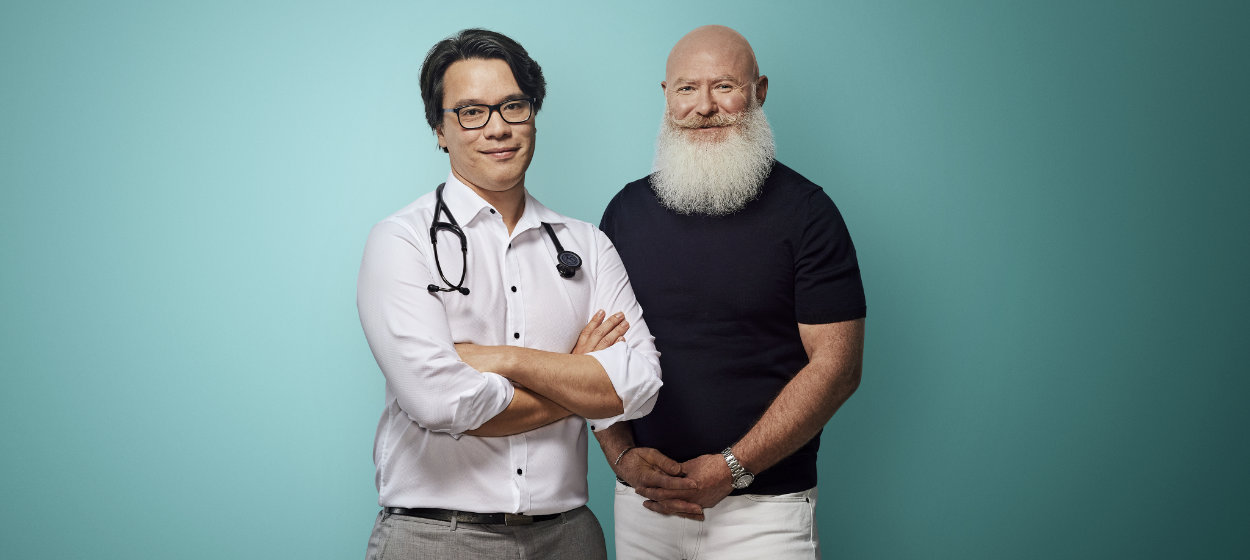
Dr Mitchell Hunter‑Dickson, a clinical trial researcher, is aiming to reduce the risk of heart attack, stroke, and kidney disease.
“I have found involvement in research with the renal clinical trials team to be professionally and personally rewarding. Participation in trials allows earlier access to promising treatments for patients, alongside additional resources that support a higher level of clinical care and multidisciplinary lifestyle interventions that would be otherwise unaffordable. Working closely with trial participants and seeing positive outcomes to be able to use effective treatments in routine practice has been particularly rewarding.”
Dr Mitchell Hunter‑Dickson - Clinical Trial Researcher, Canberra Health Services
We also heard from some of our clinical trial participants.
A 77‑year‑old retired former CEO says he had two reasons to join a clinical trial of a new cardiac medication.
“Firstly, I have a cardiac condition that has an increased risk of a heart attack. By participating in the trial, I receive regular monitoring and screening of my cardiac health and review by the Cardiologist who is the trial doctor for this study. Secondly, my previous career was in medical education, and I understand the importance of clinical research for evidence‑based medical treatment, particularly in the post‑pandemic climate of medical scepticism.”
Trial participant
Other participants added:
“My dream of walking the Caminó Françes for my 60th birthday was repeatedly postponed after being diagnosed with colitis. My physical and mental health deteriorated, and even walking to my backyard gate without urgently needing a bathroom felt impossible. When I was offered a place in a clinical trial, I felt fear, hope and uncertainty all at once. I joined not only to help myself, but also future patients living with this condition. One year later, thanks to the compassionate support of the trial team and a medication that is working wonderfully, I am now walking 8km daily and preparing to finally say, “Buen Camino” in three months’ time.”
JT
“I was diagnosed with terminal lung cancer in September 2024 and I was advised that, given treatment/s currently available, I possibly had a limited life expectancy. So, when I was asked if I would like to participate in an Immunotherapy (IMT) clinical trial, my first thought was - what have I got to lose? The answer for me was nothing to lose but, optimistically, possibly a gain for me, if not now, then in the future for anyone with the same health condition as me.”
Sylv
“In November 2025, I decided to participate in a trial to test a new treatment for non‑small cell carcinoma. I could no longer continue my previous treatment and felt a sense of helplessness. The unknowns made it a difficult decision because it was not a simple assessment of the pros and cons in terms of quality and quantity of life. I am happy with the decision to go ahead because, despite the side effects and the time commitments, it gives me hope and the ability to continue the fight knowing that I am at least contributing to medical research in the battle against cancer.”
Peter
“I was interested in finding out if my health experience could help other people. I am also interested in contributing to a study to improve health outcomes for others and how we understand a patient’s journey. The process was very professional. I found everything was explained and I understood what was needed. Everyone was so kind and compassionate every time I came in. I was listened to and felt like a partner in this study.”
Tricia
If you have a story you would like to share, get in touch.