
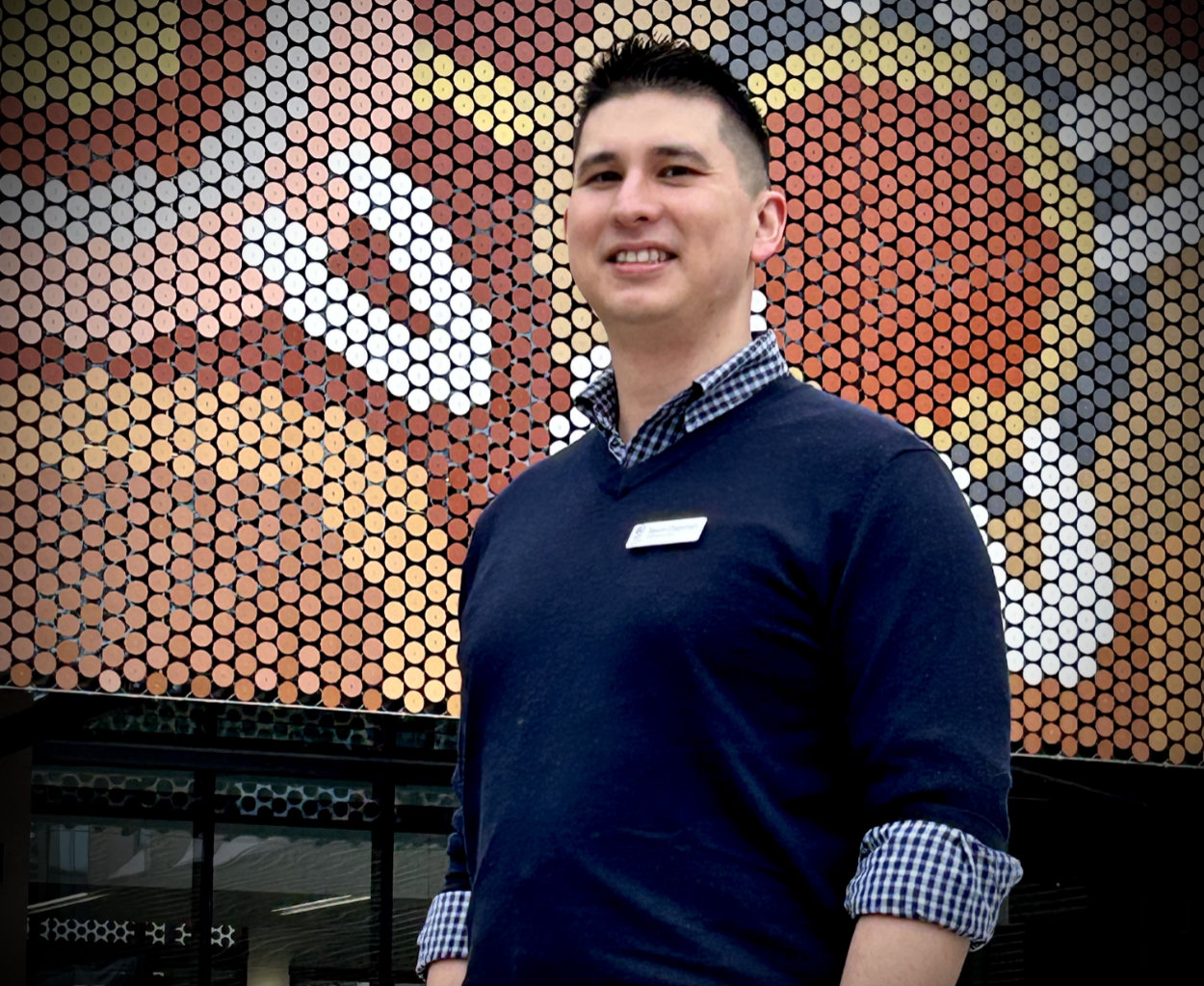
Jason Chapman, Canberra Health Services ICU Specialist.
09 August 2024
The ‘goal’ in life is to talk about your good death
It’s the last conversation you ever want to have but it’s probably the most timely and important conversation to organise, which is your end-of-life planning and goals.
Yes, goals! It is possible to talk to your family and your clinical team about what your options are to ensure you live your life to the very end, the way you want to.
Earlier this week it was Dying to Know Day and Canberra Health Services ICU Specialist, Jason Chapman has taken the opportunity to have a discussion about this sensitive subject for everyone.
‘It’s a good reminder to everyone, that when your family or advocates know what you want, they can help to ensure you get a ‘good death’ especially if you cannot speak for yourself.
‘Facing one’s own mortality is not an easy prospect and talking about it with your family can be even harder,’ Jason said.
‘One of the most useful things is to instead share with one another what’s important to you in life, what things bring enjoyment and quality to your life, and how you might feel if you were unable to do some or all of these things.
‘It is difficult to predict all the possible health issues and scenarios you might face in your lifetime - but understanding what matters to you in life can help your loved ones and doctors figure out the best pathways forward when you are unwell.
‘Having a loved one be critically unwell is stressful enough on its own, especially when it is sudden and unexpected. Advocating for them [a loved one] when they cannot speak for themselves is a privilege and responsibility but can be incredibly challenging if they do not know what your wishes or preferences are.
‘We know that in cases where people have clearly stated their end-of-life plans or goals, the treatment pathways can be tailored and in keeping with the person’s wishes.
‘Being clear about your wishes and priorities in end-of-life, where possible we can aim to provide a ‘good death’, surrounded by friends and family, in your own home or perhaps a hospice, cared for by a clinical team focused on minimising pain and discomfort,’ Jason said.
If you have a story you would like to share, get in touch.